
Marquette makes you choose between a lake morning and a forest morning, then quietly gives you both. The red harbor lighthouse, dark ore docks, and wooded headlands all sit within a short drive of downtown.
This guide covers the best things to do in Marquette, Michigan, with enough detail to build a two or three day visit. Start with the lakefront, add a trail, and leave time for the mining story that shaped the city.
Lake Superior deserves respect. Wind and waves can change a beach plan quickly, and a sunny parking lot says little about water temperature. Check current conditions before swimming, paddling, or walking exposed rock.
How we researched this guide
Tripvac desk researched this guide in October 2026 using the City of Marquette, Travel Marquette, and the Iron Ore Heritage Trail authority. Stops were selected for distinct experiences, practical access, and value to a first visit. No personal visit is claimed.
Lake Superior Views in and Around Marquette
1. Walk Presque Isle Park and See Black Rocks
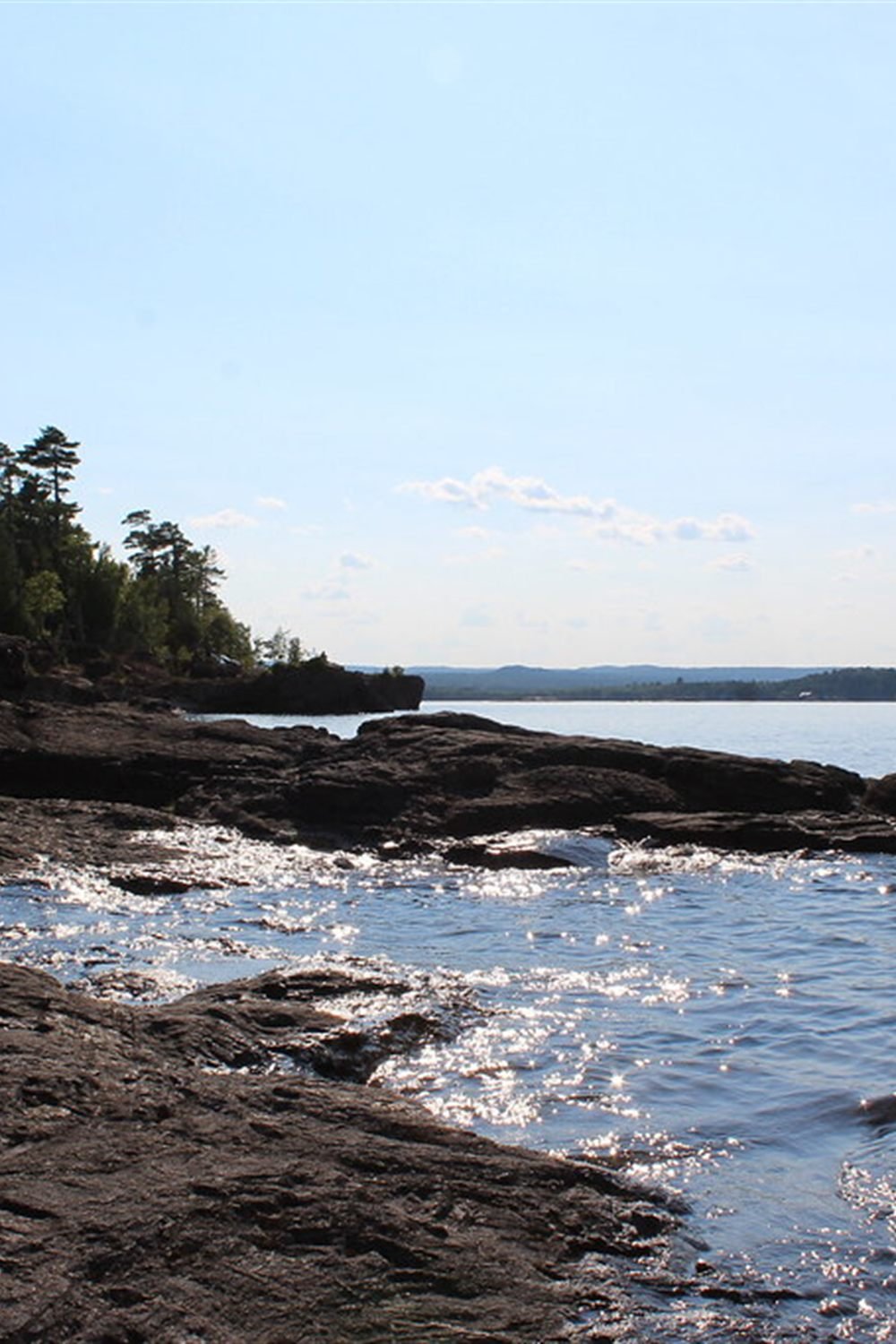
Presque Isle Park curls into Lake Superior at Marquette’s north end. The forested road, rocky coves, and open water make it feel farther from downtown than it is. Black Rocks is the best known stop on the loop.
Take the shoreline slowly. The water turns from slate to bright blue as light shifts over the stone, and the view north opens beyond the trees. Sunset Point is another worthwhile pause when the evening sky is clear.
Black Rocks attracts swimmers and cliff jumpers, but photographs hide the hazards. The rock can be slippery, the lake is cold, and conditions change fast. Watch from a safe place unless you understand the site and current water conditions.
The city describes Presque Isle as a 323 acre park and notes that animals are generally prohibited except service animals. Check the city’s park page for road access and current notices before visiting.
2. Climb Sugarloaf Mountain for a Wider View

Sugarloaf Mountain gives Marquette its clearest short hike to a broad Lake Superior panorama. The climb moves through woods and ends at viewing platforms above the shore. On a clear day, the waterline seems to run beyond sight.
Look north toward Wetmore Landing and Little Presque Isle. Turn west for the Huron Mountains and Hogsback Mountain. The platforms help you understand how close the beaches and trailheads sit to one another.
There are stairs near the top, so do not describe this as an easy, level walk. Choose footwear with grip, allow time to descend in good light, and carry a layer even if the trailhead feels warm.
Go early for quieter platforms and softer lake light. If clouds cover the horizon, the woods still make the walk worthwhile. Travel Marquette’s Sugarloaf page has the current access details and route guidance.
3. Spend a Morning at McCarty’s Cove
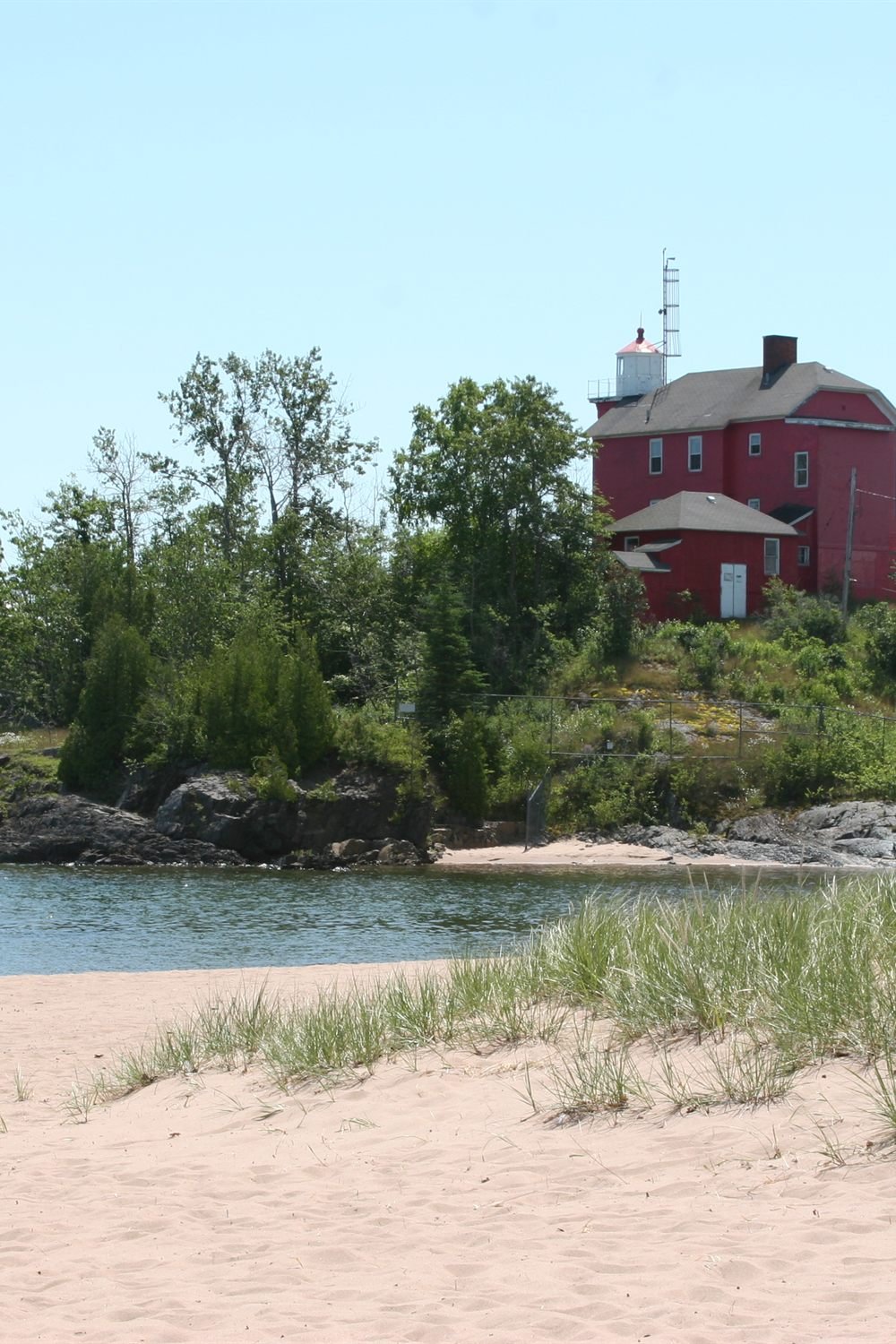
McCarty’s Cove puts sand, Lake Superior, and the red Marquette Harbor Lighthouse in a single frame. It is close enough to downtown for a spontaneous stop, yet the open lake keeps it from feeling like a town pond.
Walk the beach before the busiest part of the day. The lighthouse rises over the shoreline, and the cove gives you a better sense of its position than a close photograph of the building alone.
In summer, swimming may be supervised during posted hours. Treat the flag system as the current answer on whether to enter the water. Marquette’s fire department posts advisories for city beaches, including McCarty’s Cove.
Pack a dry layer for after a swim. Lake Superior stays cool when inland afternoons are hot. Travel Marquette’s beach guide is useful for planning a family visit.
4. Tour the Marquette Harbor Lighthouse and Maritime Museum
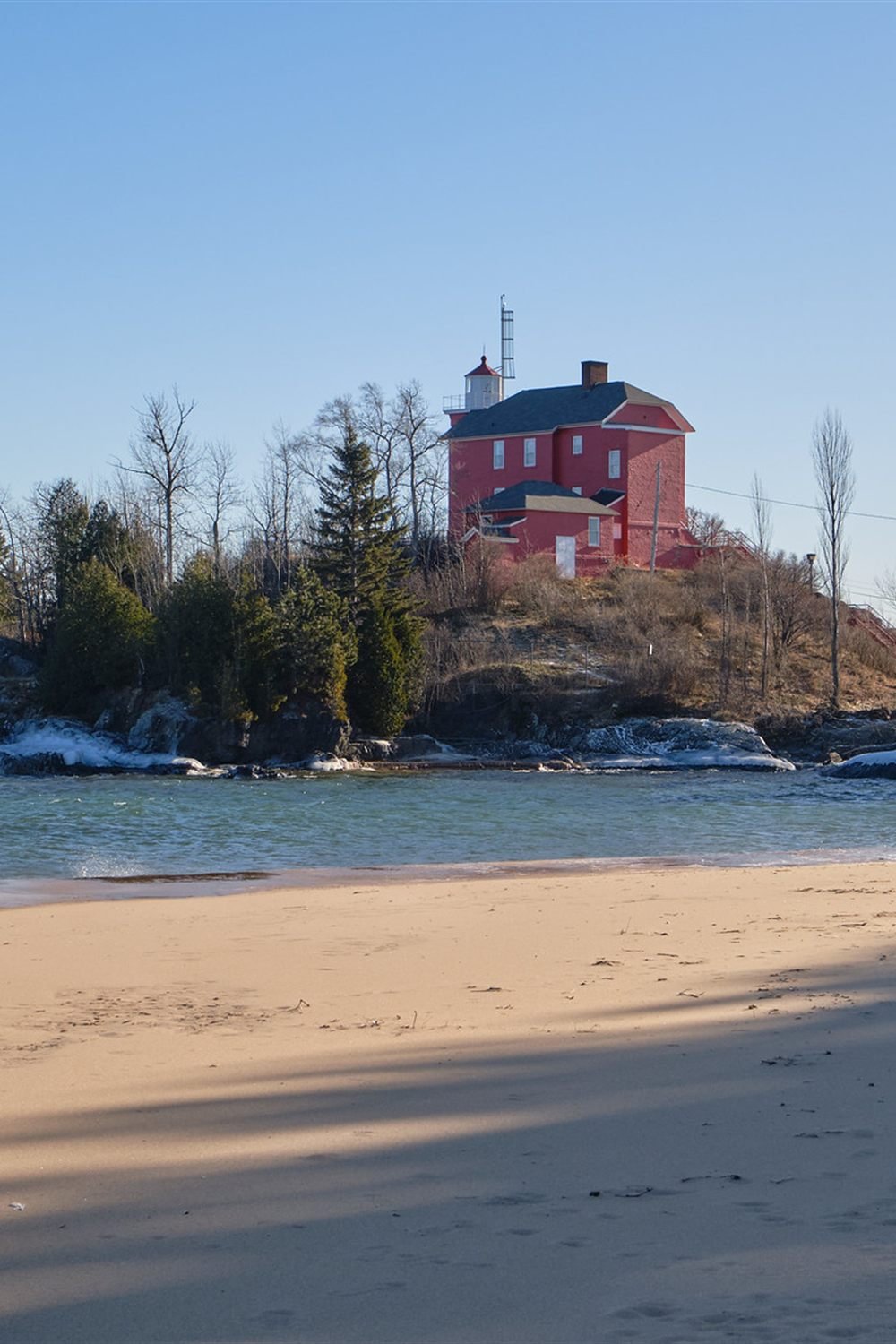
The bright red Harbor Lighthouse is Marquette’s most recognizable building. From the beach it is a landmark; on a guided tour it becomes a story about navigation, storms, and the ships that served the iron trade.
Make the museum part of the visit. Maritime exhibits explain why this harbor mattered and how crews worked around Lake Superior’s difficult weather. The tour also makes a good indoor choice when the shore turns windy.
Lighthouse access is guided and seasonal, so do not assume you can walk into the tower whenever the grounds are visible. Travel Marquette lists tours from roughly mid May through early October, with scheduled departures on operating days.
Check the current history-tour listing before setting out. If the tour is unavailable, keep the lighthouse in your day as a view from public areas near McCarty’s Cove.
5. Follow the Shore at Wetmore Landing

Wetmore Landing trades the city beach for a wilder edge of Lake Superior. Sand, pines, exposed rock, and a view toward Little Presque Isle make it a strong second shoreline stop after Sugarloaf.
You can keep the visit simple with a beach walk. A segment of the North Country Trail continues through the area for travelers who want more time in the woods and above the water.
Travel Marquette describes the Wetmore Landing to Little Presque Isle Point walk as about 1.6 miles. Check the route and return plan before starting; a short distance on a map can take longer over sand and uneven shoreline.
Do not light a ground fire or camp on the beach. Follow posted rules and leave beach grass undisturbed. Travel Marquette’s Wetmore Landing guide covers the setting and activities.
6. Watch the Harbor from Mattson Lower Harbor Park
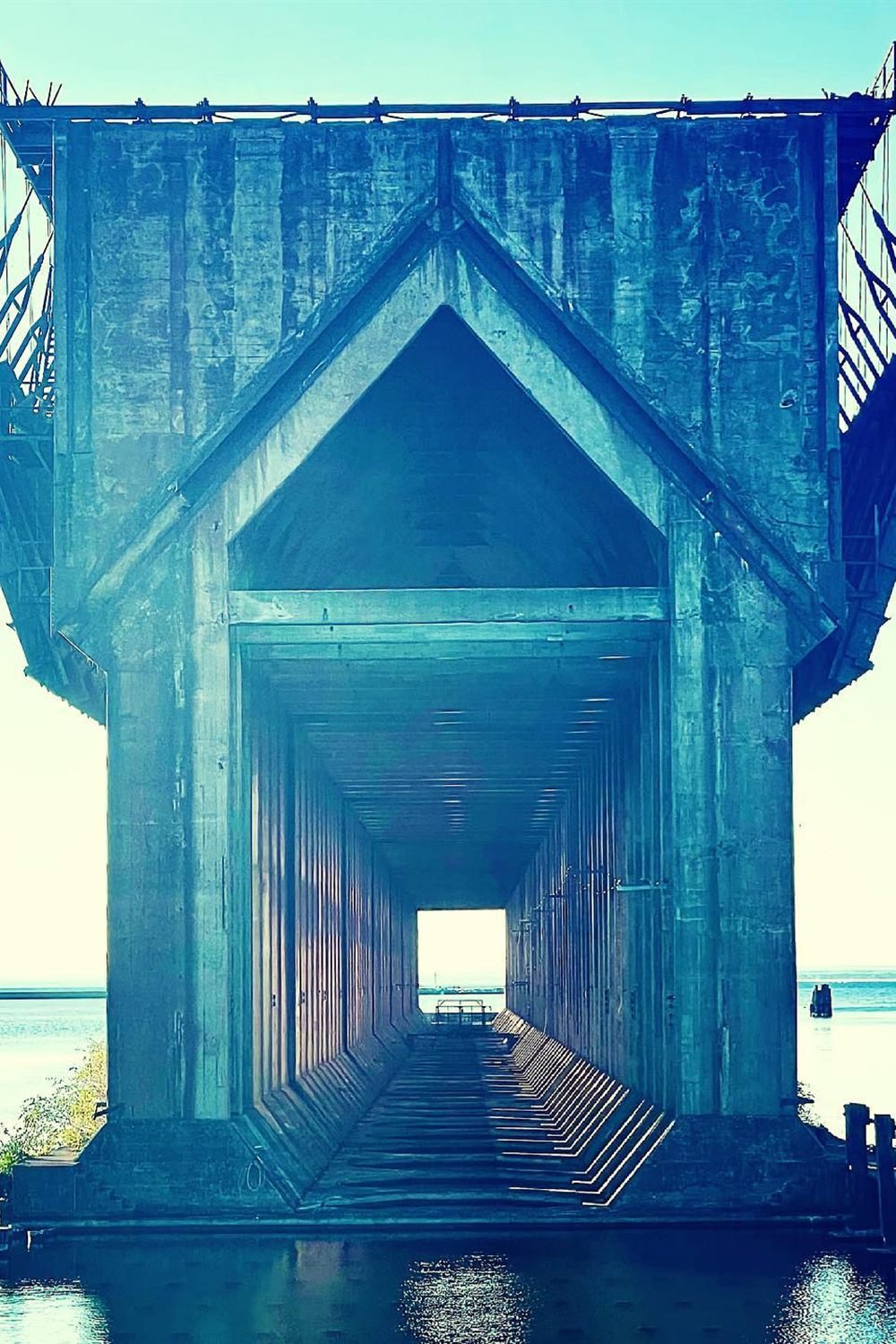
Mattson Lower Harbor Park is where downtown opens to the lake. The lawns, path, and water views make it a useful pause between a meal and the next drive. The old Lower Harbor Ore Dock dominates the scene.
The dock’s concrete ribs are a reminder that Marquette’s shoreline was built for work. Stand back enough to include the whole structure in a photograph, then watch how the city and water meet around it.
Walk the public waterfront path and keep to designated areas. The active Upper Harbor Ore Dock is a working industrial site, so its best view is from a safe public vantage rather than an attempt to approach the operation.
The park works especially well near evening, when the lake light drops behind town. If you are visiting with children, the open space also gives them room to move after a museum stop or long drive.
Trails, Art, and Marquette’s Working Past
7. Ride a Piece of the Iron Ore Heritage Trail
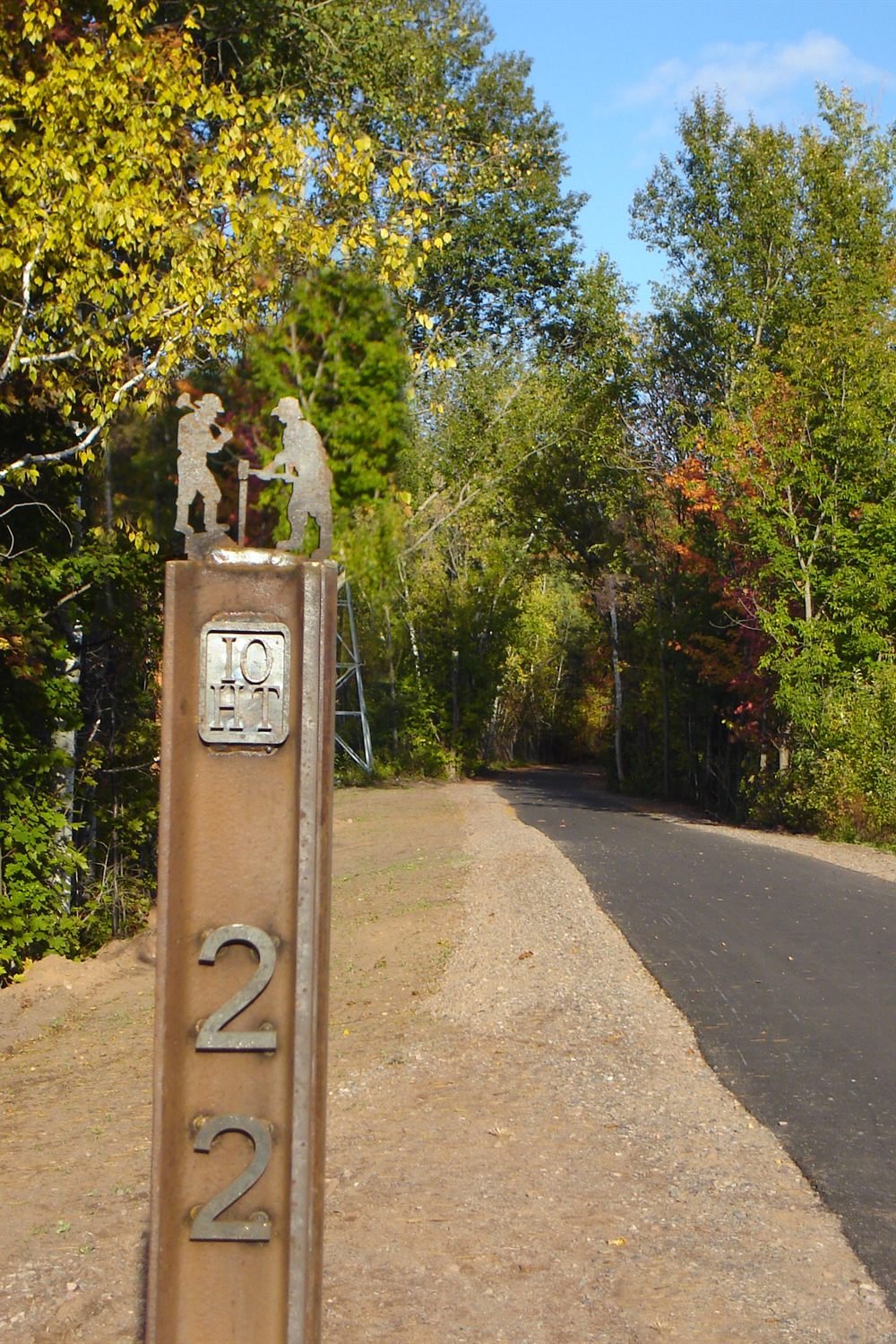
The Iron Ore Heritage Trail is a route through the county’s mining history as much as a place to exercise. Interpretive signs connect rail corridors, old industrial sites, and the towns built around iron.
You do not need to tackle its full 47 miles. Choose a paved Marquette section for an easy walk or bike ride, then stop at the signs that explain what once moved toward the harbor.
Surface changes along the route. The trail authority says urban stretches are paved, while other sections use crushed aggregate or natural ground. Pick the segment that fits your bike and your group’s ability.
The trail authority’s bike and hike guide has route and surface information. Check it before assuming the entire trail is suitable for narrow tires, a stroller, or an unplanned out-and-back ride.
8. Wander Through Lakenenland Sculpture Park
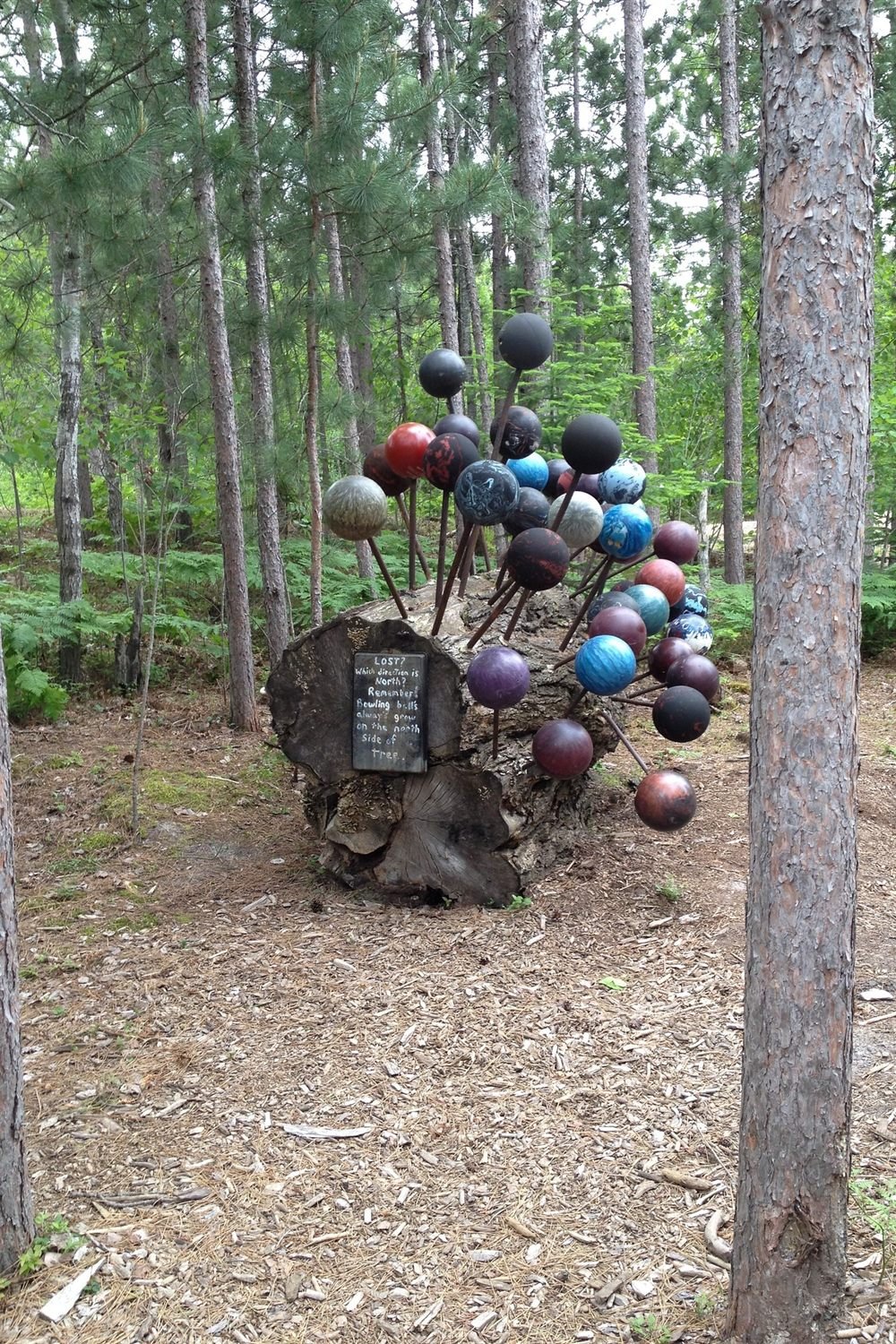
Lakenenland is a change of pace from cliffs and mining displays. Metal artist Tom Lakenen’s sculptures turn a drive or stroll into a sequence of jokes, creatures, and improbable welded shapes.
Walk if the weather allows. The details in each piece reward stopping, and the park feels more playful when you can circle a sculpture instead of seeing it only through a windshield.
Travel Marquette says the park is free, with donations encouraged, and open around the clock. Because outdoor access and amenities can change, verify its current information before making it a late-night stop.
This is an easy family outing and a useful break on a longer Upper Peninsula drive. Give it time for children to choose their favorites; a quick pass through the grounds misses much of the humor.
9. Explore Downtown Marquette on Foot

Downtown Marquette works best as a walk, not a sequence of parking spaces. Historic storefronts, local cafes, and the slope toward Lake Superior give the streets a sense of place beyond the waterfront attractions.
Start near the center of town, then work downhill toward Mattson Lower Harbor Park. This route connects a coffee or lunch stop with the ore dock view without requiring another itinerary slot.
Choose an independent shop or bakery that is open when you arrive. Hours shift by season and weekday, so a rigid restaurant plan can be less useful than following the active streets and current menus.
If you want a guided theme, Travel Marquette has a self-guided historic walking tour. It gives the buildings a story while leaving room to step inside anywhere that catches your eye.
10. Add the Cliffs Shaft Mine Museum in Ishpeming

Ishpeming makes a worthwhile side trip when the iron story has caught your attention. At the Cliffs Shaft Mine Museum, mine equipment and the site itself bring the industry’s scale into view.
This is more specific than another general history stop. Look at how workers entered and equipped a mine, then connect those details to the rail lines and ore docks back in Marquette.
The museum is seasonal. Travel Marquette lists a mid May to mid September operating period and recommends a tour of about an hour. Confirm current dates before taking the drive west.
Pair Ishpeming with a stretch of the Iron Ore Heritage Trail or another west county stop. The museum visitor guide has the latest basic planning details.
Practical Tips for a Marquette Trip
Best Time to Visit
Late spring through early fall gives you the broadest mix of beaches, hiking, and seasonal history tours. Summer offers long days, though Lake Superior can still feel cold even when the air is warm.
Fall changes the forest around Sugarloaf and the trail network, while some tours begin to close. Winter favors snow sports and quieter streets. Match the trip to the experience you want, then check current trail and operator notices.
If your priority is a lighthouse tour or museum, look up its operating calendar first. Those visits are harder to improvise than a self-guided lake walk.
September can be rewarding for cooler hikes, but daylight shortens. Begin exposed shore walks early enough to finish before dusk, especially outside the city.
How Many Days to Plan
Two full days cover a city shoreline day and a trail or museum day. Add a third for Wetmore Landing, Ishpeming, or a slower combination of art, history, and cafes.
Group nearby stops: Presque Isle with Sugarloaf, and McCarty’s Cove with the lighthouse tour. Pair downtown with Lower Harbor Park and the history center. This saves driving and leaves space for weather changes.
Keep one flexible block in the itinerary. A calm morning may suit the beach while a windy afternoon works better for downtown shops or indoor exhibits.
The Marquette Regional History Center is a useful indoor stop if weather interrupts a trail day. Its exhibits also explain the ore docks you see along the waterfront.
Where to Stay and How to Get Around
Downtown is convenient if you want to walk to meals and the lower harbor. A base near the north side shortens the drive to Presque Isle, Sugarloaf, and the County Road 550 trailheads.
A car is useful for this guide, particularly Wetmore Landing, Lakenenland, and Ishpeming. Check parking and trailhead directions before leaving town. A downloaded map helps when signal is weak among the forest roads.
For a car-free downtown afternoon, combine Lower Harbor Park, the shops, and a meal on foot. The more remote stops in this guide need separate transport planning.
The Noquemanon Trail Network adds another forest option for experienced riders and walkers. Choose a route by current conditions and posted difficulty, rather than by distance alone.
Lake and Trail Safety
Check Marquette beach flags before swimming. Lake Superior’s water, wind, and waves can change in a single afternoon. Stay back from wet rock edges and choose a land-based view when conditions look uncertain.
Carry water, a layer, and shoes with traction for Sugarloaf and shoreline trails. Respect closures and leash rules, and remember that Presque Isle has stricter animal rules than many nearby trails.
A smooth rock can be slick even when it looks dry. Avoid crossing wet ledges for a photograph, and keep children back from drop-offs near Black Rocks.
Bring a warm layer to the shore in any season. Air moving across Superior can make a short beach stop feel much cooler than a downtown walk.
A Simple Two Day Marquette Itinerary
On day one, start at Sugarloaf Mountain, then continue to Presque Isle Park. Lunch downtown leads naturally to Mattson Lower Harbor Park. Finish at McCarty’s Cove when the lake light softens.
On day two, tour the Harbor Lighthouse if it is operating. Follow with the Marquette Regional History Center, then walk or ride a suitable section of the Iron Ore Heritage Trail.
For a third day, choose Wetmore Landing and the North Country Trail in good weather. In rain, visit Lakenenland between showers or drive to the Cliffs Shaft Mine Museum during its season.
Treat this plan as a sequence of nearby areas, not a fixed timetable. Tour dates, lake conditions, and trail surfaces may change the best order on any given day.
If the lighthouse is closed, spend that block at the waterfront or history center. If waves are high, swap the shore walk for downtown or a sheltered forest route.
Frequently Asked Questions
What is Marquette, Michigan, known for? Marquette is known for its Lake Superior shoreline, the red Harbor Lighthouse, outdoor trails, and iron-ore history. The ore docks and Iron Ore Heritage Trail make that history visible around the city.
Is Marquette worth visiting without a car? Downtown, the lower harbor, and some city shoreline stops work on foot or by bike. A car makes Sugarloaf, Wetmore Landing, Lakenenland, and Ishpeming much easier to combine.
Can you swim in Lake Superior at Marquette? Yes, people swim at designated beaches such as McCarty’s Cove when conditions allow. Check posted flags and local advisories, and expect cold water even on warm days.
How long is the Sugarloaf Mountain hike? Plan it as a short climb rather than a flat stroll. Route choice and pace affect the time, and stairs near the top add effort. Check the current trail map before setting out.
Is Presque Isle Park dog friendly? The city generally prohibits animals at Presque Isle Park, with an exception for service animals. Check the city’s current rules. Other Marquette area trails may allow leashed dogs.
When can you tour the Marquette Harbor Lighthouse? Tours are seasonal, commonly from mid May into early October on scheduled days. Confirm exact dates, departure times, and weather changes with the operator before visiting.
What can you do in Marquette when it rains? Visit the Marquette Regional History Center, the Maritime Museum when open, or downtown shops and cafes. A changing lake forecast may also leave a dry window for a short harbor walk.
How many days do you need in Marquette? Two days cover the main shoreline and history stops without rushing. Three days allow a longer trail outing, Wetmore Landing, or a side trip to Ishpeming.
Final Thoughts
Marquette is most memorable when the lake and iron story share the itinerary. See the water from Sugarloaf, walk a working harbor, and spend time with the exhibits that explain how this shore became a city.
Continue an Upper Peninsula trip with Tripvac’s Michigan things to do guide. For another Great Lakes shore with a very different rhythm, compare our guides to Door County, Wisconsin and Bayfield, Wisconsin.